GCC & Australia Market Entry
Test product, manufacturing footprint, partner, compliance, cold-chain and route-to-market assumptions before entering a demanding market.
Private · Confidential · Operator-led
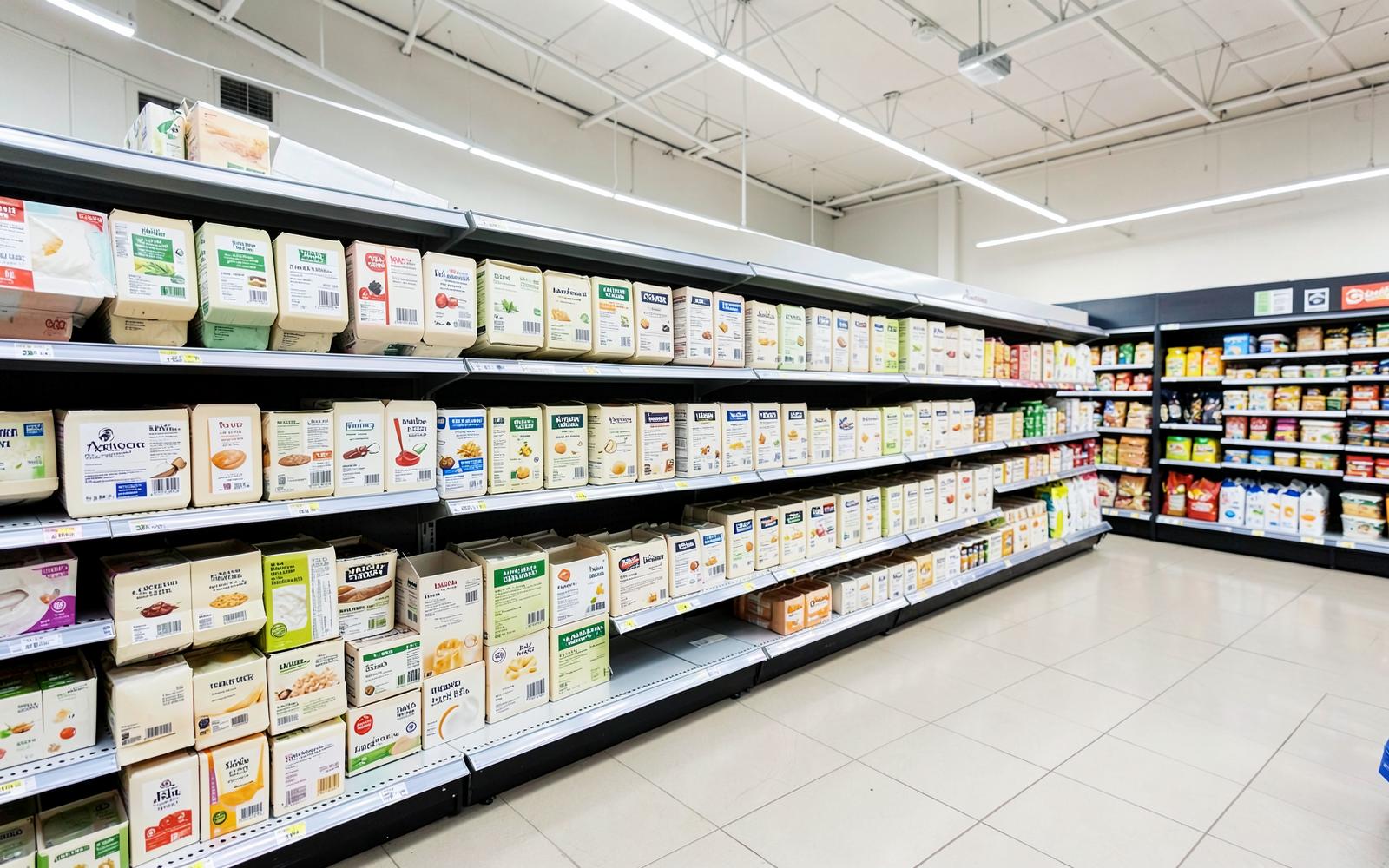
Overview
Market entry is an operating model decision before it is a sales plan. Product registration, shelf life, temperature, distributor incentives, import lead times and local production economics determine whether demand can be served profitably.
The review compares practical entry routes and makes partner dependence, capital exposure and execution sequence explicit before commitments are made.
Who this is for
- Food and dairy businesses entering the GCC or Australia
- Investors evaluating a regional platform
- Brands comparing import, co-pack and local manufacture
What is reviewed
Review areas
- Demand evidence and channel structure
- Product, format and compliance fit
- Import versus local production
- Partner and distributor capability
- Cold-chain and inventory model
- Entry sequencing and investment gates
Deliverables
- Market-entry operating model
- Route comparison and landed economics
- Partner due-diligence framework
- Risk and dependency register
- Phased entry recommendation
Risks this work addresses
- Channel interest mistaken for repeat demand
- Partner incentives misaligned with brand economics
- Shelf life consumed in import and clearance
- Capital committed before route-to-market works
Questions worth answering internally
If these cannot be answered with evidence, the decision is not yet ready.
- What demand evidence exists beyond distributor interest?
- Which operating model preserves optionality?
- Who owns market execution?
- What must be proven before local capital?
Other advisory services
Pressure-test demand, capacity, capital, operating cost and ramp-up assumptions before an investment becomes difficult to reverse.
Translate a product and volume plan into practical process flow, hygienic zoning, utilities, capacity and an operating model that can be commissioned.
Find the operating losses behind low output, poor yield, excessive changeovers, unstable quality and rising conversion cost.
Continue
Practical notes on manufacturing, co-packing, margin and market entry.
Anonymised advisory patterns and illustrative examples.
See the depth and format of a private written review.
Executive Brief, Boardroom Review and Strategic Decision Memo.
Senior operators applying to contribute to private reviews.