GCC Food Manufacturing Consultant: Local Production, Import Risk and Market Entry Decisions
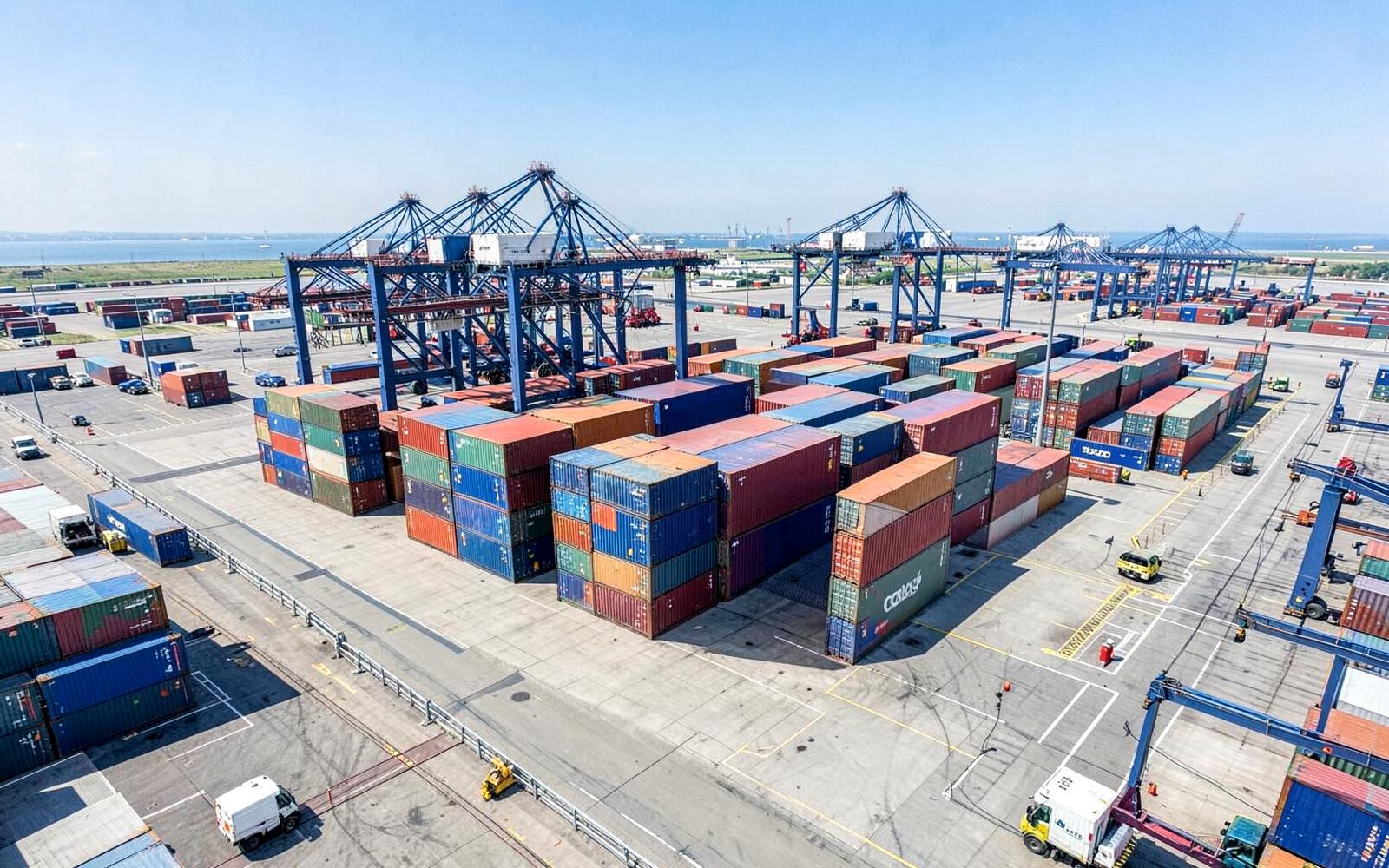
GCC food markets reward businesses that can supply reliably, meet local requirements and hold shelf presence through price competition. That is why the manufacture-or-import question rarely stays purely financial. Local production shortens lead times, supports local-content expectations and improves service, while committing capital in a market whose demand profile the business may not yet understand. Import protects capital and exposes the business to freight, shelf life, registration and distributor dependence. Most entrants should sequence these routes rather than choose once.
10 minute read
What this covers
- Manufacture, import or partner: how the routes actually differ
- Regulatory, registration and labelling reality
- Distributor and partner risk
- Cost structure and shelf price competition
- Sequencing entry to limit capital exposure
Detail
Route selection
Three routes dominate: export and import through a distributor, local manufacture through a third party, and own local manufacturing. Each has a different capital profile, control level and speed. Test them against the same criteria: time to shelf, landed cost, control of quality and specification, capital at risk, and the cost of withdrawing if the first year disappoints. Most businesses benefit from entering through import or third-party production and investing in assets only once demand is demonstrated.
Regulation and registration
Product registration, labelling in required languages, shelf-life declarations, ingredient and additive rules, halal requirements where applicable and import documentation all consume time before a single case sells. These timelines are not risks to be managed later; they are the schedule. Build them into the entry plan and confirm them with the party who will actually hold the registration.
Partner and distributor risk
Distributor selection is the single decision that most often determines GCC outcomes. Assess coverage by channel, cold chain capability, existing portfolio conflicts, working capital strength, in-store execution and willingness to share sell-out data. Exclusivity should be earned against performance, with defined review points and a realistic path to change partner without losing registrations.
Cost structure and shelf price
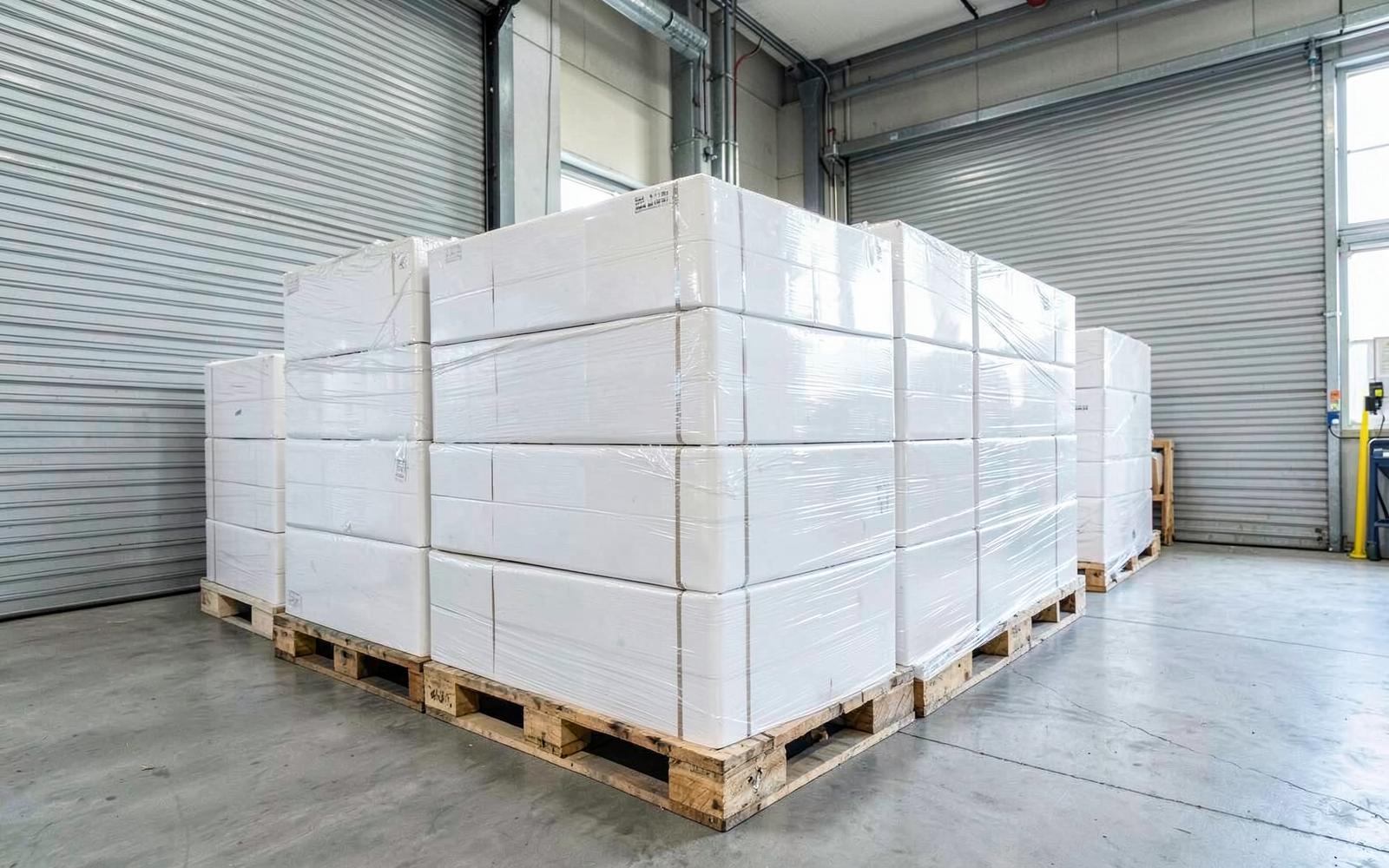
Local manufacture changes freight, duty, shelf life and service, and introduces fixed cost that must be absorbed at low initial volume. Imported product carries freight and shelf-life exposure but no local fixed cost. Model both to the shelf, including trade spend, listing fees and promotional depth. Markets with strong price competition punish cost structures built on optimistic volume.
Sequencing
A staged entry protects capital: import to prove demand, third-party local production to shorten lead times and satisfy local expectations, then own manufacturing when volume and channel security justify it. Define in advance the evidence that would trigger each step, so the decision to invest is made on data rather than on momentum.
Questions worth answering internally
If these cannot be answered with evidence, the decision is not yet ready.
- What would make local manufacturing the right decision, and do we have that evidence yet?
- How long until first shelf presence, realistically?
- What is our exposure if the distributor underperforms for two seasons?
- Can our cost structure survive the market's promotional depth?
- What is the cost of withdrawing after year one?
Continue
Operating judgment for food, dairy and manufacturing decisions.
Anonymised advisory patterns and illustrative examples.
See the depth and format of a private written review.
Executive Brief, Boardroom Review and Strategic Decision Memo.
Senior operators applying to contribute to private reviews.