Machinery selection review before food manufacturing capex
Comparing supplier quotes is not a capex decision. The review tested equipment fit against product, process, labour, utilities, cleaning and future flexibility.
Real advisory experience — details generalised
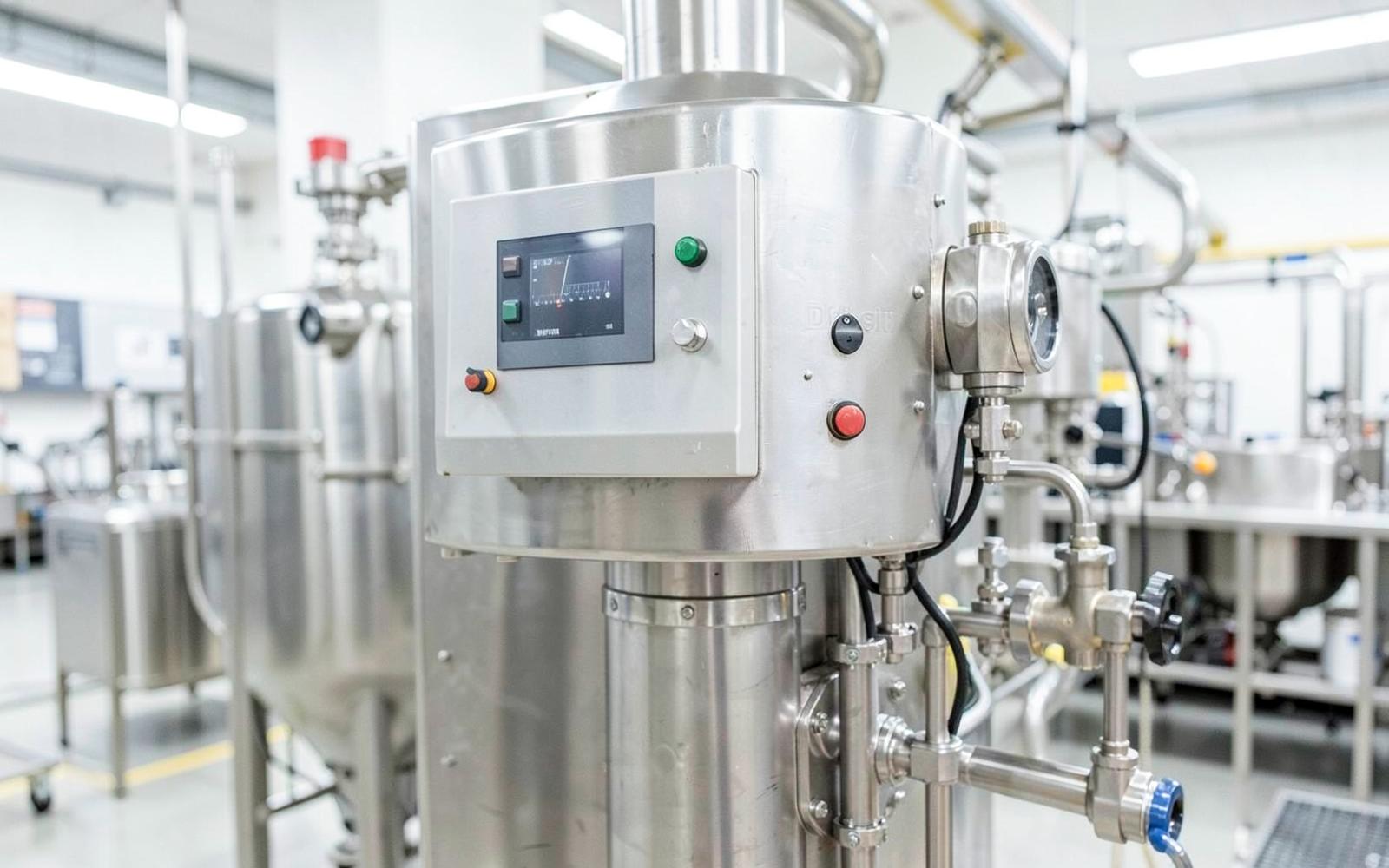
Situation
Quotations differed on price and on stated output. Utility requirements, cleaning regimes, changeover behaviour, spare parts support and layout integration had not been compared on the same basis, and commissioning risk was not in the business case.
Illustrative image only. It does not depict a client or facility.
What the review focused on
- Capacity assumptions
- Equipment flexibility
- Product and packaging compatibility
- Utility requirements
- Labour requirements
- Cleaning, CIP and changeover impact
- Maintenance capability
- Spare parts and supplier support
- Automation level
- Factory layout and flow
- Commissioning and ramp-up risk
- Total cost of ownership
Risks examined
- Buying machinery that does not fit the operating model
- Overestimating output
- Underestimating utilities or maintenance needs
- Poor integration with existing layout
- Long commissioning delays
- Supplier dependency
- Low flexibility if product mix changes
Approach
- Convert supplier output claims into realistic output at our product mix, changeover pattern and cleaning regime
- Compare total cost of ownership, including utilities, labour, spares and downtime
- Test layout and flow integration before order, not at installation
- Put commissioning and ramp-up losses into the business case explicitly
Outcome
Equipment should be selected against the operating model and the likely future product mix, not against nameplate capacity. Where flexibility is uncertain, the review pushed for the option that keeps future mix changes affordable.
The value was helping leadership pressure-test the capex decision before committing funds, reducing the risk of buying the wrong equipment or creating an underperforming production line.
Questions that decided the outcome
Detail has been removed or generalised so no client or company is identifiable.
- What output will this line deliver at our real product mix and changeover pattern?
- What are the utility, labour and maintenance costs across the asset's life?
- Can our maintenance team support this level of automation?
- What does commissioning and ramp-up cost us in lost production?
- What happens to this decision if our product mix changes in two years?
Continue
Operating judgment for food, dairy and manufacturing decisions.
Practical notes on manufacturing, co-packing, margin and market entry.
See the depth and format of a private written review.
Executive Brief, Boardroom Review and Strategic Decision Memo.
Senior operators applying to contribute to private reviews.