Co-packing decision review for a food brand
Manufacture internally, outsource to a co-packer, or use a toll partner. The review treated it as a control decision rather than a rate comparison.
Real advisory experience — details generalised
Situation
The brand was scaling faster than its own capacity comfortably allowed. A co-packing route promised speed and lower capital commitment. Internally there was disagreement about how much control would be given away.

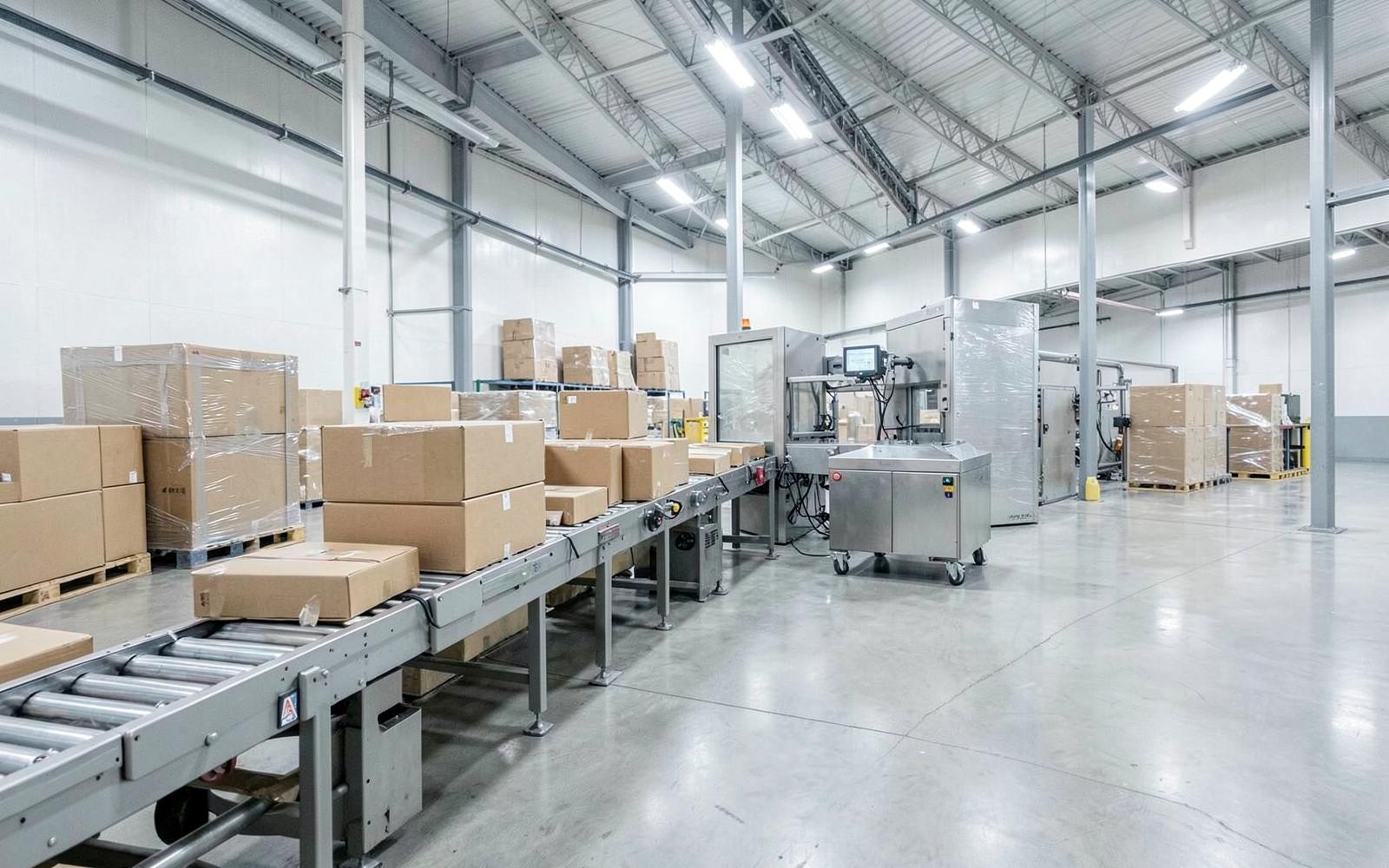
Illustrative image only. It does not depict a client or facility.
What the review focused on
- Internal manufacturing versus co-packing
- Toll manufacturing economics
- Minimum order quantities
- Quality and food safety controls
- Confidentiality and IP risk
- Packaging and product specification control
- Capacity and flexibility
- Supplier reliability
- Margin impact and cost transparency
- Exit options if the partner fails
Risks examined
- Choosing a co-packer based only on quoted price
- Losing control of quality or product consistency
- Hidden cost increases after launch
- Poor flexibility during demand changes
- Overdependence on one manufacturing partner
- Weak confidentiality and recipe or IP protection
- No clear exit or dual-source plan
Approach
- Compare landed cost, not tolling rate
- Test the partner on operating evidence rather than capability presentations
- Establish where quality failure and recall exposure sit contractually and practically
- Require a written exit and dual-source path before signature
Outcome
Outsourcing is defensible when the brand keeps specification control, quality accountability is explicit, and the arrangement can be reversed within one season. Where any of those three is missing, the review pushed for either different terms or internal manufacture.
The value was helping leadership pressure-test whether co-packing created flexibility and speed, or introduced margin, quality and control risk that needed to be managed before commitment.
Questions that decided the outcome
Detail has been removed or generalised so no client or company is identifiable.
- What is our landed cost, not our tolling rate?
- Who owns quality failure, and what does a recall cost us?
- How replaceable is this partner within one season?
- Is our formulation genuinely protected?
- Where do we sit in their capacity priority during peak?
Continue
Operating judgment for food, dairy and manufacturing decisions.
Practical notes on manufacturing, co-packing, margin and market entry.
See the depth and format of a private written review.
Executive Brief, Boardroom Review and Strategic Decision Memo.
Senior operators applying to contribute to private reviews.