Manufacturing Due Diligence for Food and FMCG Investors
Financial diligence explains what happened. Operational diligence tests whether it can happen again, at the volume the investment case assumes. In food and FMCG that means examining real capacity rather than nameplate, asset condition rather than book value, quality and compliance exposure, dependence on a small number of people or customers, and the capital the plant will need in the next three years whether or not the plan includes growth.
11 minute read
What this covers
- Real capacity versus nameplate
- Asset condition and deferred capital
- Quality, compliance and recall exposure
- Key-person and customer concentration
- The three-year capital picture
Detail
Real capacity
Establish available hours, historical utilisation, changeover profile and the constraint at peak. Compare the growth case with demonstrated output on the current asset base. Where the case assumes volume the plant has never produced, identify what must change — shifts, debottlenecking, capital — and cost it. Growth assumptions unsupported by capacity evidence are the most common valuation error in this sector.
Asset condition and deferred capital
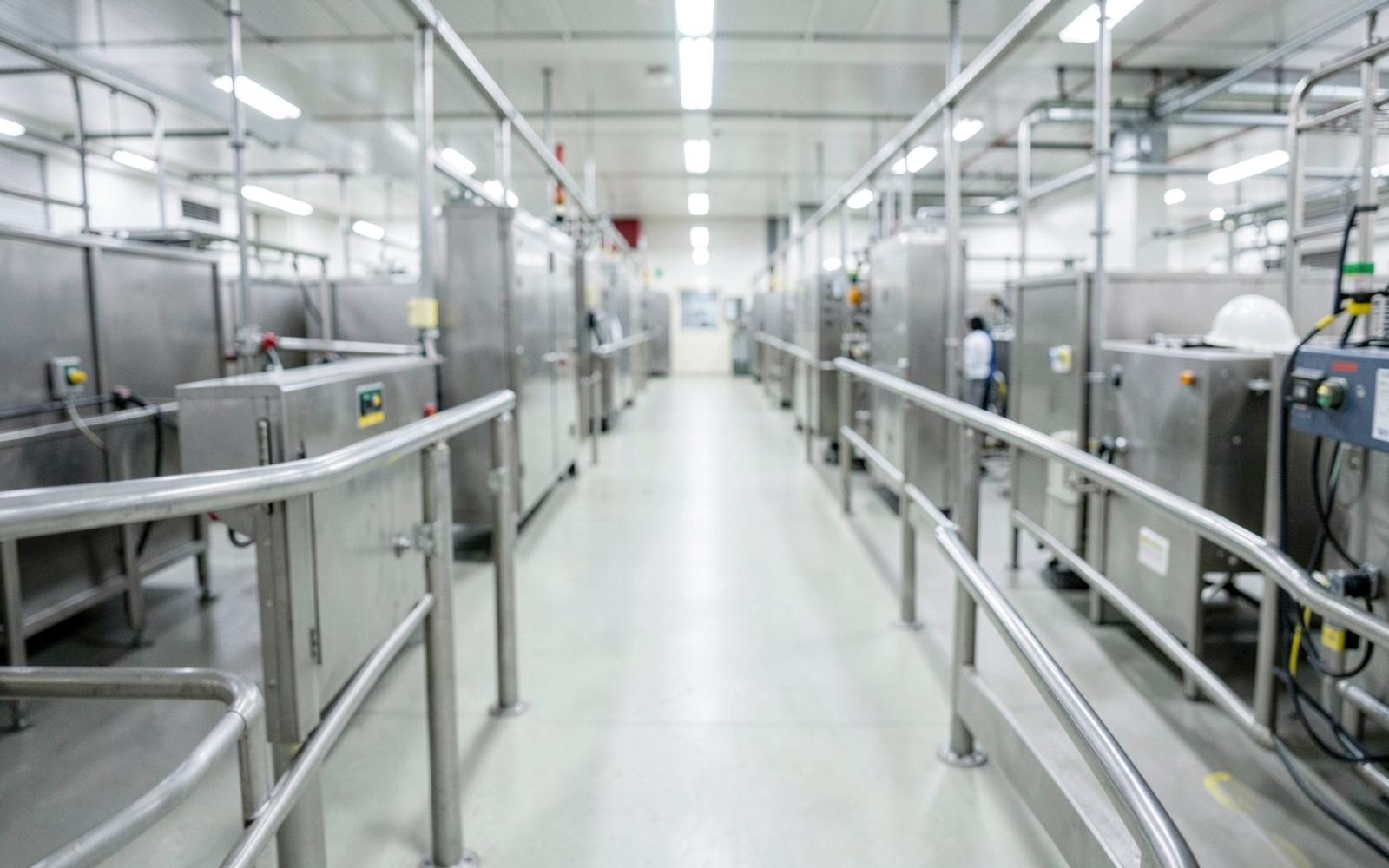
Walk the plant. Look at the age and condition of critical equipment, refrigeration and thermal plant, electrical infrastructure, floors and drainage, and spares availability. Ask what maintenance has been deferred and why. Deferred capital does not disappear at completion; it becomes the new owner's first-year surprise, and it is usually larger than the vendor's maintenance capex line implies.
Quality and compliance
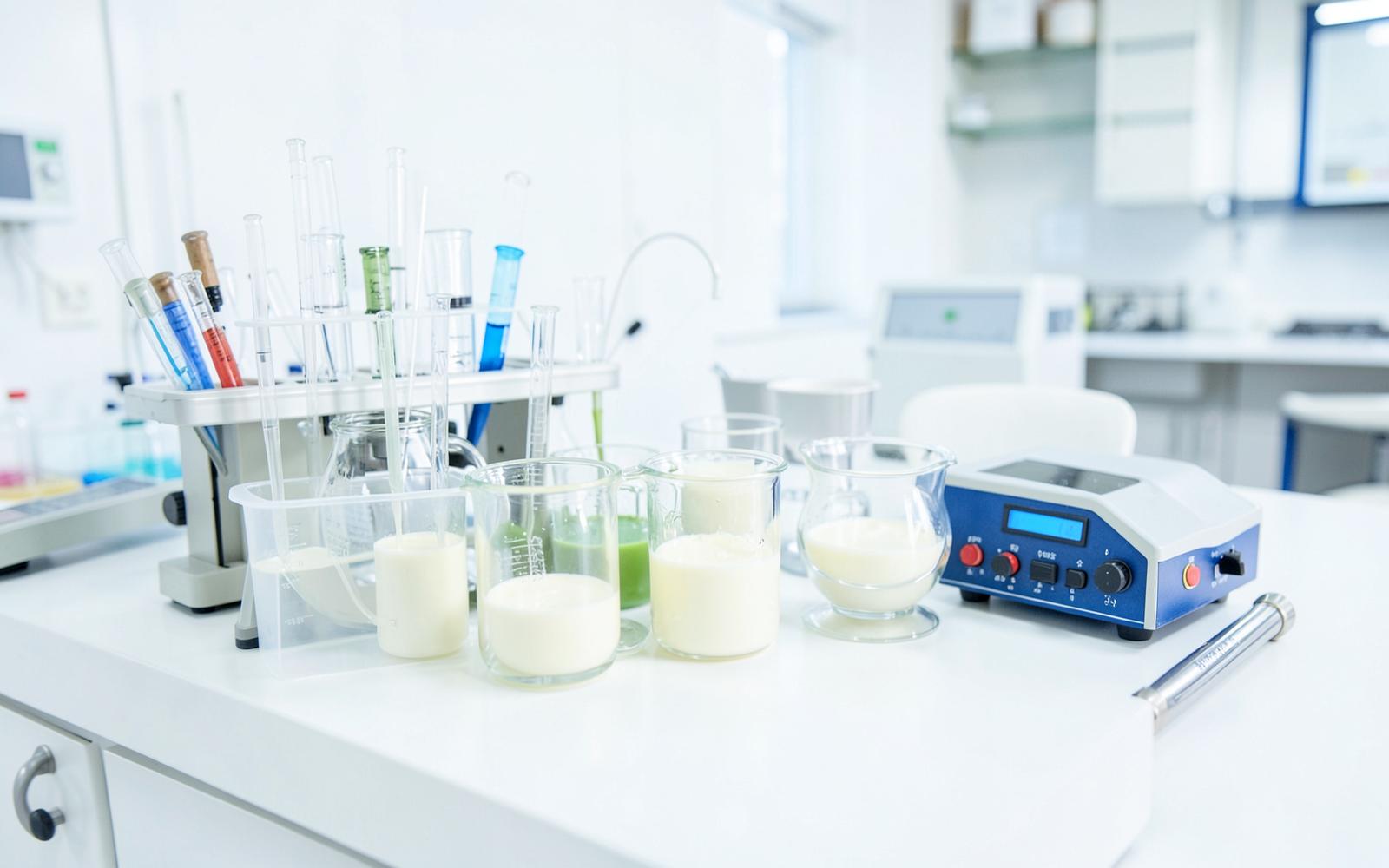
Review certification status and audit history, open corrective actions, complaint trends, recall and withdrawal history, allergen controls, traceability performance and laboratory capability. In food, one serious event can outweigh several years of earnings. Establish exposure and the cost of closing the gaps to the standard the investment case assumes.
Concentration and capability
Identify the individuals who hold critical operating knowledge, the customers who carry disproportionate volume, and the suppliers with no practical alternative. Then test what happens if any of them leaves within a year. A management team with no successor for a key technical role is an operating risk that belongs in the price or in the plan.
The capital picture
Build a three-year capital view covering deferred maintenance, compliance and food-safety upgrades, capacity investment required by the growth case, and any obvious efficiency projects. Present it against the plan's capex assumption. This single comparison changes more investment decisions than any other output of operational diligence.
Questions worth answering internally
If these cannot be answered with evidence, the decision is not yet ready.
- Has this asset base ever produced the plan's volume?
- What capital does this plant need regardless of growth?
- What is our exposure to a single quality event?
- Who must stay for twelve months, and are they staying?
- Which assumptions in the plan does the plant contradict?
Continue
Operating judgment for food, dairy and manufacturing decisions.
Anonymised advisory patterns and illustrative examples.
See the depth and format of a private written review.
Executive Brief, Boardroom Review and Strategic Decision Memo.
Senior operators applying to contribute to private reviews.