Dairy Processing Plant Setup: Capacity, Utilities, Quality and Commercial Risks
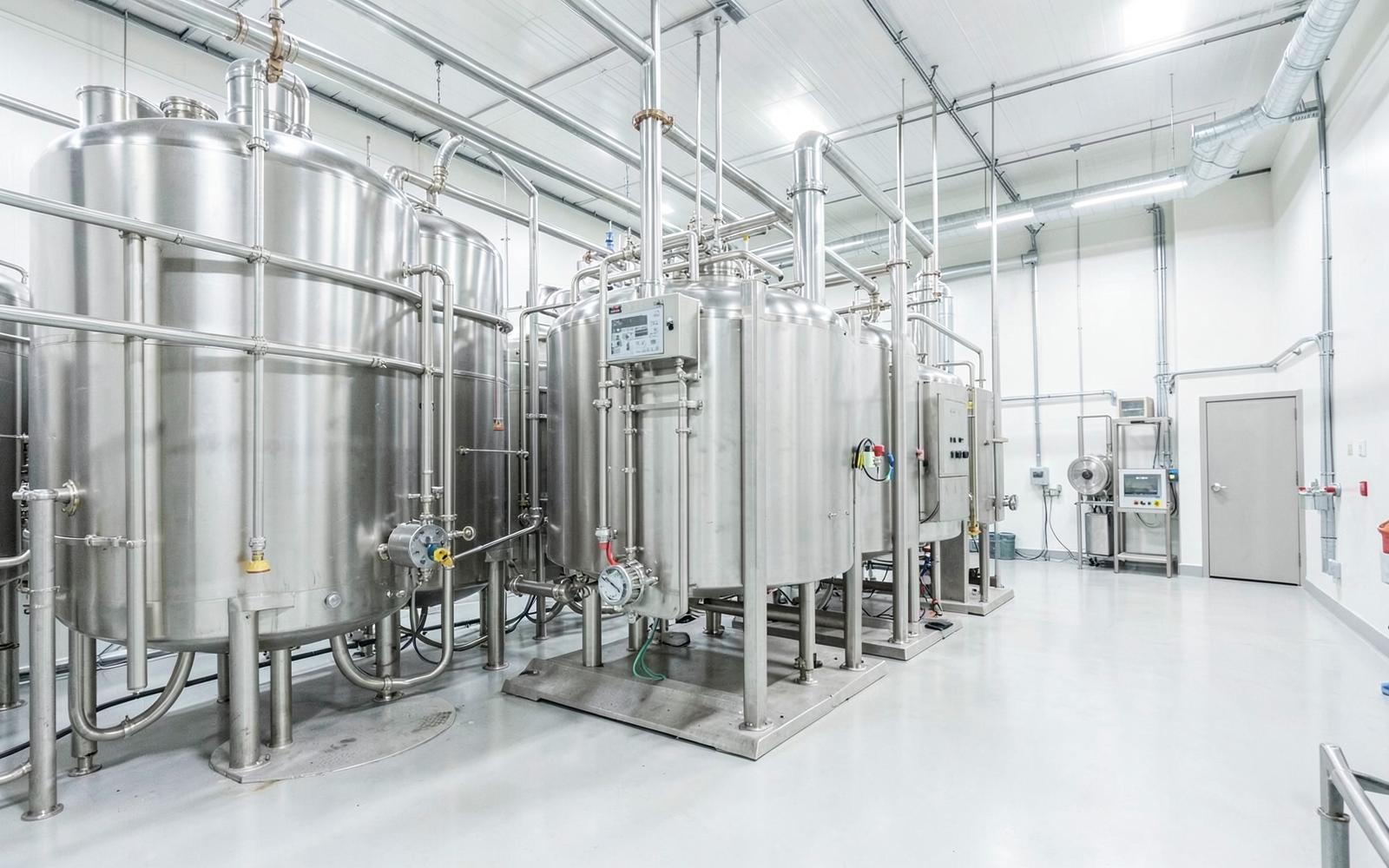
Dairy plant performance is largely fixed at design stage. Layout, flow, hygiene zoning, utility sizing and CIP architecture determine labour cost, changeover time, quality risk and available hours for the plant's entire life. Decisions made to save money during design are usually paid for every week afterwards. A design review before orders are placed is the cheapest intervention available in a capital project, and the one most often skipped because the schedule feels urgent.
10 minute read
What this covers
- Capacity sizing and run profile
- Layout, flow and hygiene zoning
- Utilities, CIP and effluent architecture
- Quality systems and release capability
- Commercial risks that surface after start-up
Detail
Capacity and run profile
Size the plant against a realistic weekly run profile, including product changes, cleaning windows, maintenance and the shifts the business will actually staff. A plant sized on annual volume divided by nominal hours will be short of capacity in practice. Build the profile first, then check that the equipment list and layout support it without heroic scheduling.
Layout, flow and zoning
Material flow, personnel flow, waste flow and packaging flow should not cross where hygiene matters. Poor zoning creates permanent quality risk and permanent labour cost. Review the layout for travel distances, high-care segregation, intake and dispatch separation, and space for maintenance access. Space that looks generous on a drawing is often the only thing that makes an upgrade possible in year five.
Utilities, CIP and effluent
Thermal and refrigeration load, water quality and volume, compressed air, and effluent treatment capacity should be sized on peak-day demand with headroom for the phase-two plan. CIP architecture — circuit design, tank sizing, recovery and chemical handling — determines how much of each day is available for production. Effluent consent frequently sets the real capacity ceiling of a dairy site.
Quality and release
Laboratory capability, sampling regimes, hold-and-release discipline and traceability need to exist on day one, not after the first incident. Define release authority, deviation handling and shelf-life validation before commercial production. For extended shelf-life and aseptic products, the release process is a commercial control, not a technical formality.
Commercial risks after start-up
The risks that bite after commissioning are consistent: volume below plan, cost per litre above plan, working capital heavier than expected, and a customer commitment made against capacity the plant cannot yet hold. Each is manageable if identified in the plan. Each becomes serious when the business has assumed a mature cost base from month one.
Questions worth answering internally
If these cannot be answered with evidence, the decision is not yet ready.
- Does the layout support the run profile we will actually operate?
- What sets the real capacity ceiling of this site?
- How many production hours does CIP consume each week?
- Who releases product, and on what evidence?
- What does cost per litre look like in each quarter of the ramp?
Continue
Operating judgment for food, dairy and manufacturing decisions.
Anonymised advisory patterns and illustrative examples.
See the depth and format of a private written review.
Executive Brief, Boardroom Review and Strategic Decision Memo.
Senior operators applying to contribute to private reviews.