Cheese Manufacturing Consultant
In cheese, small operating variances compound. Yield, moisture control and ageing discipline decide whether volume growth is profitable. A half point of moisture, a slightly early cut, an inconsistent press cycle or a drifting salting step will not fail a specification, but each moves yield and each moves margin. Because the loss is spread across every batch, it is rarely visible in a monthly report and almost always visible in a properly constructed yield model.
9 minute read
What this covers
- Yield control and moisture management
- Quality consistency and grading losses
- Ageing, inventory and working capital
- Capacity and changeover discipline
- Where cheese margin is actually decided
Detail
Yield economics
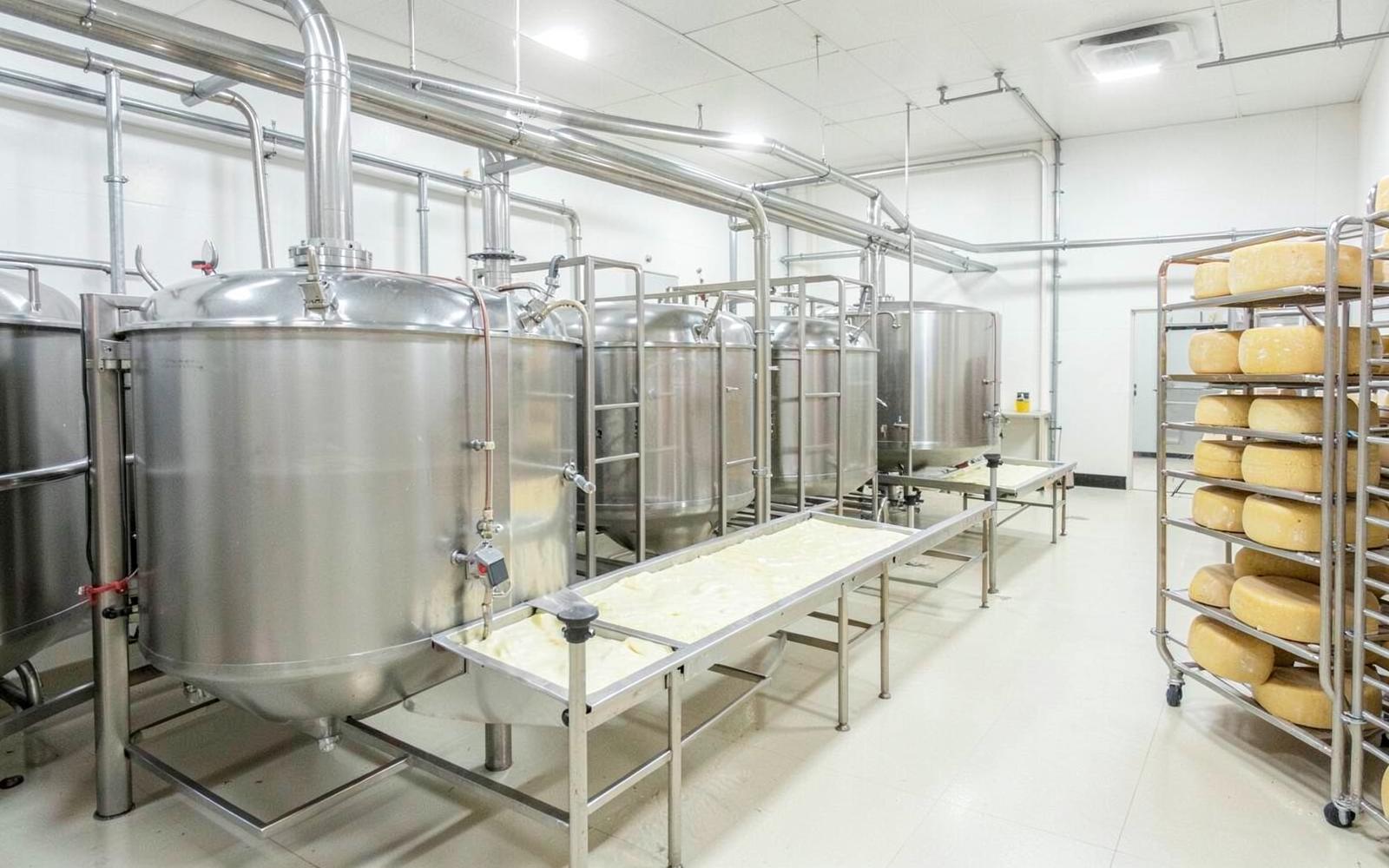
Yield in cheese is a function of milk composition, standardisation accuracy, coagulation control, cut and stir discipline, whey handling and moisture at press. A credible yield model compares theoretical yield from composition against actual yield by vat and by shift, and attributes the gap to a step rather than to the month. Once that exists, the value of one point of yield becomes a number the business can act on.
Quality and grading
Downgraded product is often the largest single source of hidden value loss. Body defects, moisture variation, rind issues, packaging faults and inconsistent block weight all convert premium product into secondary or industrial sales. Quantify the annual value of downgrade and returns before spending on capacity; in many operations the recovered value funds the improvement work outright.
Inventory and ageing
Ageing is a deliberate investment of working capital and space. It should be planned as such, with visibility of stock by age, value at risk, shrinkage and the cost of holding. Where ageing inventory grows to absorb production variability rather than to meet a maturity specification, cash is funding poor planning.
Capacity and changeover
Peak capacity in cheese is usually set by vat cycle time, press or brining capacity, packing or the ageing store, not by the process step management assumes. Identify the true constraint at peak and test what a modest debottleneck delivers before considering a larger investment. Changeover between formats and recipes often costs more available hours than downtime does.
Making improvement stick
Cheese improvement holds when the control plan is specific: which parameters are measured, at what frequency, by whom, and what action follows a deviation. Without that, yield gains from a focused project decay within two quarters as crews change and habits return.
Questions worth answering internally
If these cannot be answered with evidence, the decision is not yet ready.
- What does one percent of yield cost us annually?
- How much value sits in downgraded product?
- Is ageing inventory financed deliberately?
- Where is the real bottleneck at peak?
- Would a yield gain survive two shift changes?
Planning a food or dairy manufacturing facility?
A short confidential discussion to understand your project, decision or operating challenge, confirm fit, and agree the most appropriate next step.
See the level of analysis before you engage.
The sample Margin & EBITDA review shows the structure, evidence and depth of a private written review. It is open to read, with no sign-up.
Continue
Operating judgment for food, dairy and manufacturing decisions.
Anonymised advisory patterns and illustrative examples.
See the depth and format of a private written review.
Executive Brief, Boardroom Review and Strategic Decision Memo.
A short confidential discussion to confirm fit and agree the right next step.